Why Most Digital Signage Projects Fail
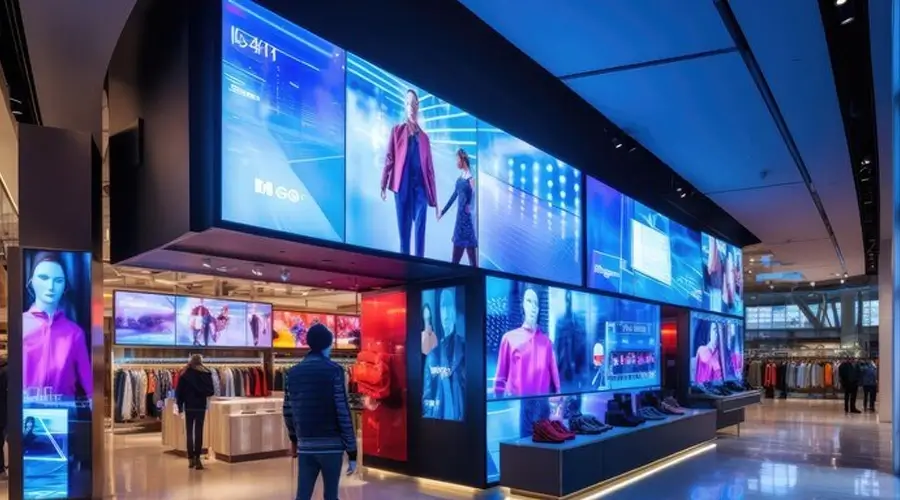
The screens go dark. You call the hardware supplier and get pointed to the software company. You call the software company and get pointed back to the hardware. Nobody owns the problem. Here is the real problem, and how integrated ownership solves it for good.
We have been deploying digital signage across India since 2016. In that time, we have seen the same story play out across retail chains, QSR brands, hospitality groups, and government programs: a business invests in digital screens, the project launches with excitement. Then something breaks. A screen goes dark. Content stops updating. The deployment falls behind schedule. Nobody owns the problem.
This is not a hardware problem. It is not a software problem. It is a structure problem, and it is far more common than most brands realise before they have already committed the budget.
“You call the hardware supplier. They tell you to check the software. You call the software provider. They tell you to check the network. You call your IT team. They point back to the hardware. Three days later, the screen is still dark. The promotional window has passed.”
Impact Metrics
65%
better information retention with visual content
94%
of first impressions are design-related
23%
higher revenue from consistent branding
The Problem: Fragmented Ownership Kills Digital Signage
Most digital signage projects are assembled, not engineered. A brand sources hardware from one vendor, licenses a CMS from another, hires a local contractor for installation, and brings in a designer for content. On paper, this looks cost-efficient. In practice, it creates a system where no single party is accountable for the whole.
When a screen goes dark at a flagship retail location on a Saturday afternoon, here is what typically happens:
The Real Cost of Fragmentation
Delayed deployments are the visible cost. But the deeper costs are harder to quantify: promotional campaigns that miss their window because content was not updated, screens that become static fixtures instead of dynamic communication tools, and IT and operations teams pulled into vendor disputes instead of running the business.
Research shows that brands with consistent, active in-store digital communication report measurable lifts in customer engagement and dwell time. Screens that are not running, or running outdated content, do not just fail to deliver value. They actively undermine brand trust at the point of experience.
- • When hardware, software, content, and deployment come from different teams, there is no owner of the outcome. Each vendor protects their contract scope. Support requests get bounced between parties. Resolution timelines stretch from hours to days.
- • Hardware that has not been tested with a specific CMS, a CMS not configured for the local network environment, cabling done by a contractor unfamiliar with the display specs. Every handoff between vendors is a potential failure point that no individual party has an incentive to anticipate and prevent.
- • Coordinating multiple vendors across 50, 100, or 500 locations is a project management challenge that quickly becomes unmanageable. Schedules slip. Site surveys reveal surprises. Content is not ready when hardware arrives. The larger the network, the more these coordination failures compound.
The Root Cause: Where the Model Breaks Down
- • No single point of accountability
- • Integration gaps create failure points
- • Deployment velocity suffers at scale
The Fix: End-to-End Integrated Ownership
The solution is eliminating the fragmented multi-vendor model.
When one team owns hardware, software, content, fabrication, deployment, and support, the accountability gap disappears.
What Integrated Ownership Looks Like
“People do not remember which CMS your screens run on. They remember what they saw — or did not see — when they walked into your space.”
Ready for signage that works, at scale?
Tell us about your project. We will map out a deployment model built around your locations, your timeline, and your content needs — all under one roof.
Ready to elevate
your brand?
Drop us a message, and let’s start
building something amazing together.